Acute Mountain Sickness is the most common form of altitude illness, affecting many climbers as they ascend above 2,500 meters. It occurs when the body hasn't had enough time to acclimatize to the decreased oxygen levels found at higher altitudes on Kilimanjaro.
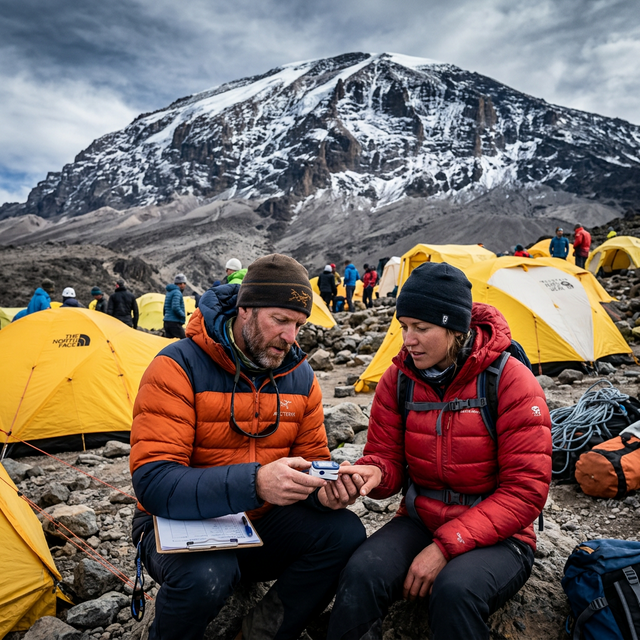
While often mild, AMS should never be ignored. It serves as a critical warning sign that your body needs rest and hydration. Our guides are trained to monitor your progress daily, ensuring that symptoms don't progress into more severe conditions.
Symptoms
Early signs include a persistent headache, often described as throbbing, along with nausea or a general loss of appetite. You might also experience significant fatigue or dizziness even during light activity.
Difficulty sleeping and a feeling of "heaviness" in the limbs are also common. If these symptoms persist or worsen after rest, it is vital to inform your guide immediately for a professional assessment.
Precautions
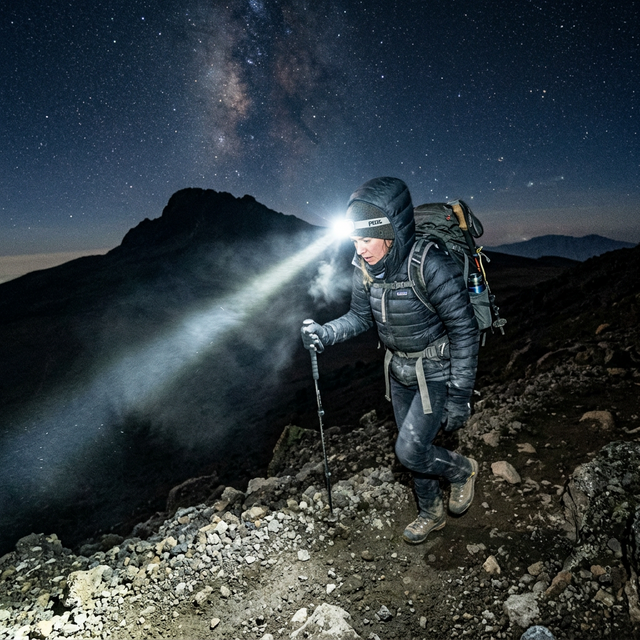
The primary precaution is a slow and steady ascent, famously known as "Pole Pole" in Swahili. This gives your red blood cells time to increase their oxygen-carrying capacity as the atmospheric pressure drops.
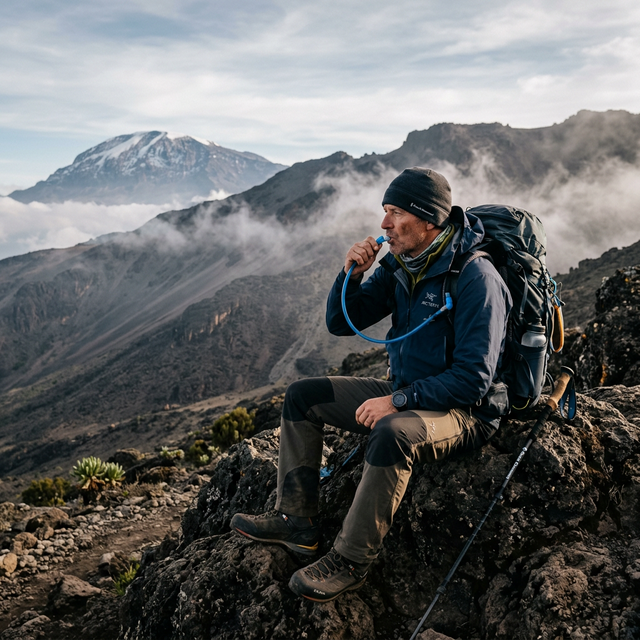
Hydration is your best friend on the mountain; we recommend drinking 4-5 liters of water daily. Avoiding alcohol and tobacco, and eating high-carbohydrate meals, will also support your body's metabolic demands during the trek.
Expert Advice
Listen closely to your body rather than your ego. Many climbers try to push through the pain, but on Kilimanjaro, transparency with your lead guide is the most important tool for reaching the summit safely.
We advise practicing "climb high, sleep low"—a strategy where you trek to a higher point during the day and return to a lower camp for the night. This stimulates acclimatization without overwhelming your system.
Treatment
The most effective treatment for AMS is to stop the ascent immediately and rest at the current altitude. Frequently, a few hours of rest and increased fluid intake will relieve mild symptoms.
If symptoms do not improve within 12-24 hours, descent is mandatory. Moving just 500 meters lower can have a dramatic effect on your recovery, often resolving AMS symptoms almost instantly.